Custom apps and bespoke software, built properly.
Web apps, SaaS platforms, internal tools, and bespoke software, designed and built end-to-end by a UK full-stack developer. From validated idea to production-ready app, without the agency overhead.

Scoped in phases
MVP → Launch → Iterate
Custom software is what you build when off-the-shelf does not fit and SaaS subscriptions are quietly bleeding you. The trouble is, most custom development projects end up over-engineered, over-budget, and built by a team you will never meet. I work differently: one senior developer, full-stack, scoped properly upfront, delivered in phases that earn their keep before the next phase starts.
Recent projects span sustainability assessment platforms, contractor management systems, internal dashboards, B2B portals, ERP integrations, and translation apps for tablets and mobile. The common thread is not the tech stack. It is that each one solved a specific business problem the client could not solve any other way.
What I build
Custom application development for companies that need better workflows, cleaner data, and software that fits the business instead of bending the business around the software.
Web applications
Bespoke web apps for businesses that have outgrown spreadsheets, off-the-shelf tools, or SaaS subscriptions. Built with Next.js, React, and Supabase or Postgres, with authentication, role-based access, real-time data, and clean admin interfaces as standard.
SaaS platforms & MVPs
Validated MVPs for founders, and full SaaS platforms for established businesses. Multi-tenant architecture, Stripe billing, user management, and the boring infrastructure that makes a SaaS scale, not just the marketing site.
Internal tools & dashboards
The custom dashboards, admin panels, and internal tools your team actually needs. Reporting interfaces over your own data, ERP front-ends, custom CRMs, and workflow tools that pay back because they remove manual work.
API integrations & automation
Connecting the systems your business already runs, including Xero, Sage, Linnworks, Salesforce, HubSpot, Shopify, Magento, ERP, PIM, and 3PL. Custom integrations where Zapier will not cut it.
B2B portals & customer accounts
Customer-facing portals for order management, account hierarchies, quoting workflows, document uploads, and custom pricing. Built bespoke where Shopify or Magento native B2B does not fit your model.
Mobile apps (cross-platform)
For dedicated mobile app development, see the mobile app page. In short, I build cross-platform iOS, Android, and tablet apps with FlutterFlow and Supabase where speed, maintainability, and one codebase matter.
How a custom build actually works with me
The most important work happens before the first commit. A custom build should start with validation, scope control, and a clear reason to exist.
Discovery & validation
Before any code is written, we spend proper time on what you are actually trying to build and whether you should build it at all. Off-the-shelf tools, SaaS combinations, and no-code platforms are sometimes the right answer, and I will tell you if they are. If custom is genuinely the right call, you leave Discovery with a written technical spec, scoped phases, and a fixed quote.
MVP / Phase 1
The smallest version of the app that solves the core business problem and earns its keep. Built end-to-end with you reviewing weekly progress on a staging environment. Not a throwaway prototype, but production-grade code from day one, deliberately smaller in scope.
Launch & validate
Ship to production, get real users on it, and watch what they actually do. Most what-should-we-build-next decisions are guesses; this step replaces them with usage data, support feedback, and a calmer roadmap.
Phase 2+ and iterate
Built-in iteration based on real usage. Each phase is independently scoped and quoted, so you are never committed to a feature roadmap that stops being relevant. Most clients stay on a flexible retainer for ongoing development.
Tech stack
I work with the stack that fits the project, not the stack that is fashionable this quarter. These defaults cover most custom web app development projects, and they keep teams close to stable, well-supported tools.
Frontend
Next.js App Router, React, TypeScript, Tailwind CSS
Backend
Node.js, Next.js API routes, Postgres, Supabase
Mobile
FlutterFlow + Supabase for cross-platform apps
Auth
Supabase Auth, Auth0, or NextAuth depending on requirements
Payments
Stripe, plus Shopify Payments where the app sits inside Shopify
Hosting & data
Vercel, Supabase, AWS where needed, Cloudflare for CDN and DNS
Where projects need it, I also work with WordPress plus headless CMS architectures, FastAPI/Python backends, AWS infrastructure, Azure for Microsoft-stack clients, and headless ecommerce on Shopify Storefront API or BigCommerce.
What I will not do: build on platforms I do not trust to still be supported in 5 years, or pick a tech stack to inflate a quote.
Recent custom app work
A few examples from bespoke software, web application development, and custom workflow projects. Some projects are anonymised where public client permission needs confirming.

Structured assessment workflow
A custom web app replaced spreadsheet-led assessment work with authentication, workspaces, auto-save, evidence uploads, and PDF generation.
Read case study →Portal, APIs, and mobile apps
A Laravel and Vue.js digital ecosystem handled member accounts, events, mobile app integrations, and the admin tools needed to manage a premium community.
Read case study →Booking and inventory workflow
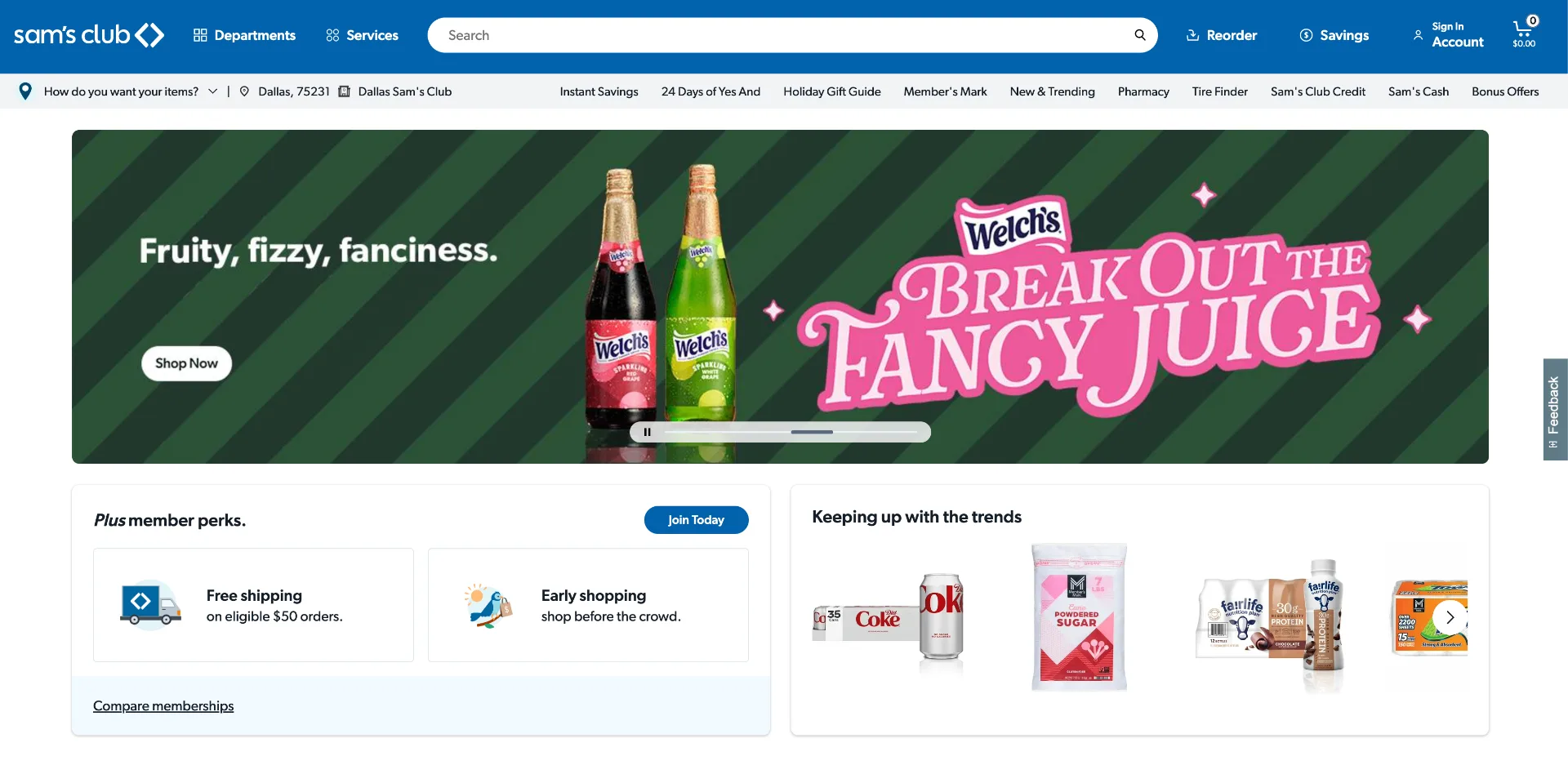
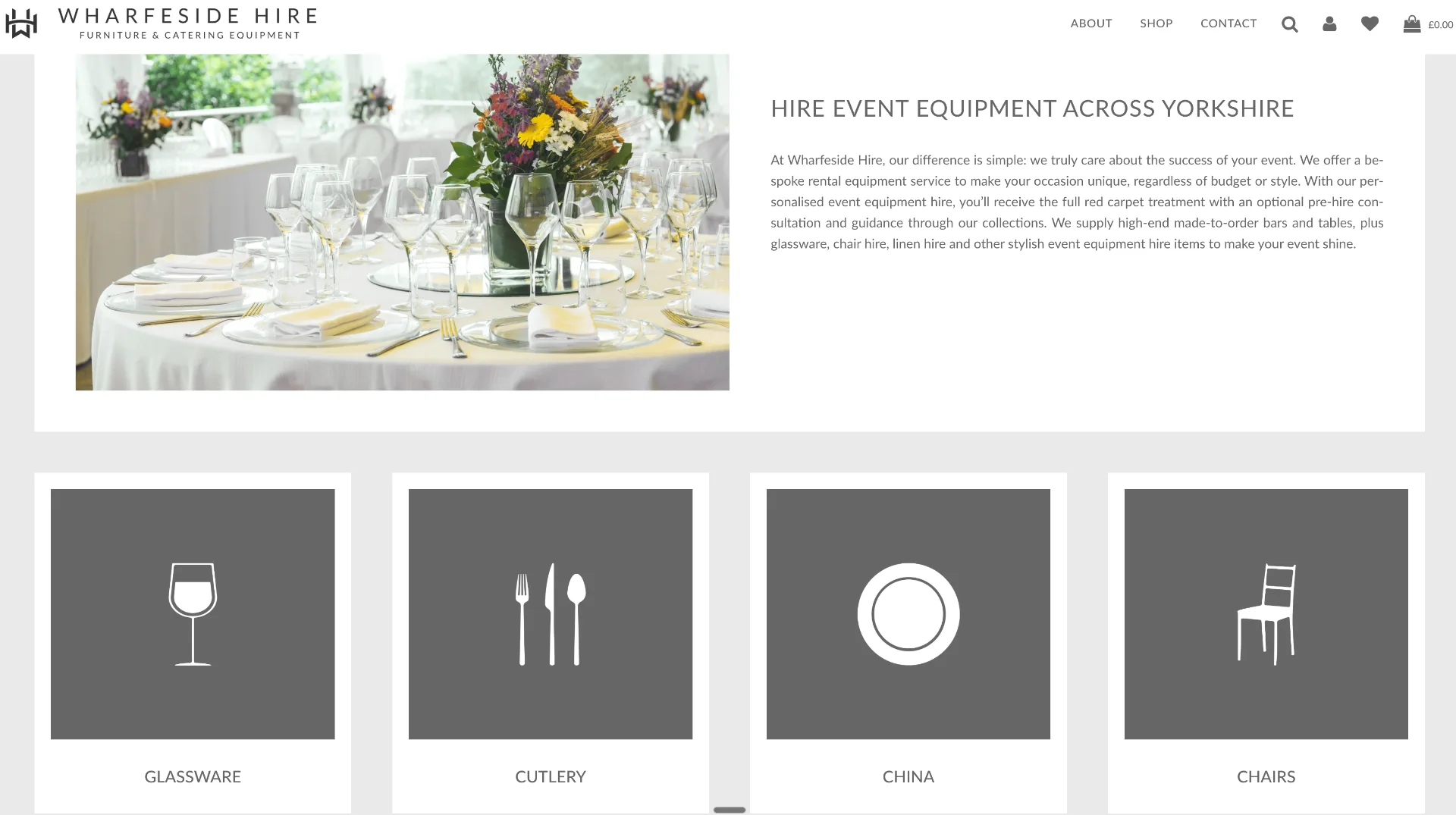
A bespoke application for hire workflows added booking logic, inventory handling, and a smoother operational process where standard ecommerce tools were too rigid.
Read case study →When custom is the right answer (and when it isn't)
Custom software is powerful, but it is not magic. The best projects start with a clear business problem, a team that will use the tool, and a first phase small enough to prove value quickly.
Custom software is right when:
- Off-the-shelf SaaS does not fit your workflow without expensive workarounds.
- Your competitive advantage is the workflow, and you do not want to hand it to a SaaS roadmap.
- Integration between your existing systems is the actual problem.
- You have specific compliance, data residency, or industry requirements off-the-shelf cannot meet.
Custom software is probably wrong when:
- A well-established SaaS solves most of your problem at a fraction of the build cost.
- Your team cannot commit to using and maintaining the tool you build.
- You do not have a clearly defined problem yet.
- You expect a serious custom app to launch in three weeks.
If you are not sure, the Discovery call is for working that out, including the option that the right answer is do not build this, do something simpler instead.
Why work with a solo consultant for custom development?
Bespoke app development needs senior judgement early. The risk is rarely whether code can be written. It is whether the right thing is being built, in the right order, with a codebase that does not become a liability six months later.
You probably want me if:
- You are building Phase 1 or an MVP and need senior judgement on scope.
- You want one person to own the code from architecture through deployment.
- You have been burned by an agency that scoped low and billed high.
- You value direct communication over status-call theatre.
You probably want an agency if:
- You are building a 12-month, multi-team product roadmap.
- You need 24/7 SLA-backed support.
- Your project has formal compliance or audit requirements that demand a larger QA process.
- You need 5+ developers working in parallel from day one.
Related services and guides
If your custom application sits inside ecommerce, mobile, or platform integration work, these pages are useful next stops.
Frequently asked questions
Practical answers before you commit to bespoke software development.
How much does custom app development cost?+
It depends entirely on scope. A focused MVP with auth, a database, and a few core features is a different conversation to a multi-tenant SaaS with billing, integrations, and admin tooling. Every Discovery call results in a fixed-price quote per phase, so you know what each milestone costs before committing to it. No open-ended day rates that quietly run over budget.
How long does it take to build a custom web app?+
MVP development typically runs 6-10 weeks. More complex Phase 1 builds with multi-user roles, integrations, payments, and admin tooling run 10-16 weeks. Full SaaS platforms with billing and multi-tenancy usually run 12-20 weeks. The Discovery call gives you a phased timeline based on your actual scope, not a generic promise.
Do I need to know what tech stack to use?+
No. That is part of what Discovery is for. I will recommend a stack based on your requirements, your team's existing capabilities, and what is likely to be supported in 5 years' time. If you have technical leadership in-house with a stack preference, I will work with that where it is sensible.
Can you build on top of an existing app or codebase?+
Yes, depending on what is there. I work on existing React, Next.js, Node, Laravel, and WordPress codebases regularly. Discovery includes a code audit so I can give you an honest opinion on whether to extend what exists, refactor the risky parts, or rebuild cleanly.
Who owns the code?+
You do. All code is delivered into your GitHub or GitLab repo, with full IP transfer. No licensing, no per-user fees, and no vendor lock-in. If you decide to take development in-house or move to another developer, the codebase goes with you.
Will I be tied to working with you forever?+
No. The codebase is documented, follows standard conventions, and any competent developer can pick it up. Most clients stay on a retainer because they want to, not because they have to. That distinction matters on custom software projects.
Do you build mobile apps?+
Yes. For dedicated mobile app development, see the mobile app development page. I usually recommend cross-platform iOS and Android with FlutterFlow and Supabase where speed and maintainability matter, or native development where the project genuinely needs it.
See mobile app developmentDo you handle hosting, deployment, and ongoing maintenance?+
Yes. Most projects launch on Vercel and Supabase for frontend and backend, with monitoring, error tracking, and backups. Ongoing maintenance is offered as a flexible retainer. Alternatively, the codebase can be set up so your in-house team takes over after launch.
Can you integrate with my existing systems?+
Yes. API integrations are a meaningful share of my work. I have worked with Xero, Sage, Linnworks, NetSuite, Salesforce, HubSpot, Shopify, Magento, and various PIM and 3PL systems. If it has a documented API, it can usually be integrated with.
What is the first step?+
Book a Discovery call from this page. It is 30 minutes, no pressure, and no obligation. We will talk through the problem, whether custom software is the right answer, and what a sensible first phase would look like. If we are a good fit, I will send a proposal within 48 hours.
Book a Discovery callGot a problem off-the-shelf software won't solve?
Book a free 30-minute Discovery call. Honest answer on whether custom is the right path, and a proper plan if it is.